How Often Should Restaurant Hoods Be Cleaned?
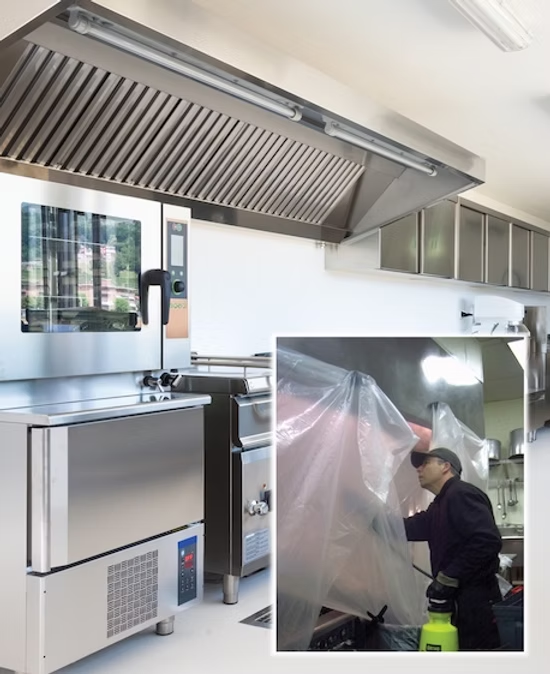
Commercial kitchens are high-intensity environments. With stoves, grills, and deep fryers running for hours on end, grease buildup in your exhaust system is inevitable. This buildup poses a serious fire hazard.
To ensure safety and compliance, the National Fire Protection Association (NFPA) sets the national standard under NFPA 96. This standard dictates how often your kitchen exhaust system must be professionally cleaned based on your cooking volume and style.
NFPA 96 Recommended Cleaning Frequencies
The frequency of your hood cleaning depends entirely on the type and volume of cooking done in your kitchen. Here is a breakdown of the requirements:
1. Monthly Cleaning (High Volume / Solid Fuel)
If your kitchen utilizes solid fuels like charcoal or wood (common in wood-fired pizza places, steak houses, and barbecue joints), your system must be inspected and cleaned monthly. Solid fuels produce heavy soot and creosote, which accumulate rapidly and ignite at lower temperatures than standard grease.
2. Quarterly Cleaning (High Volume / Standard)
For high-volume kitchens running standard gas or electric cooking equipment, inspections and cleanings are required every 3 months (quarterly). This applies to:
- 24-hour diners and busy restaurants
- High-volume fast-food establishments
- Busy commercial cafeterias
3. Semi-Annually Cleaning (Moderate Volume)
Moderate-volume commercial kitchens require cleaning every 6 months (semi-annually). This includes standard restaurants operating during normal lunch/dinner hours, school kitchens, and hotel kitchens.
4. Annually Cleaning (Low Volume)
Low-volume kitchens require cleaning once a year (annually). This includes:
- Church kitchens
- Daycare facility kitchens
- Seasonal operations (e.g., summer camp kitchens)
- Community centers
Why Compliance Matters
Maintaining the proper hood cleaning schedule isn't just about avoiding fines. It is essential for:
- Fire Prevention: A clean exhaust system prevents grease fires from starting and spreading.
- Air Quality: Clean systems extract heat, smoke, and odors more efficiently, keeping your kitchen cooler and cleaner.
- Energy Efficiency: When exhaust fans are clean and free of grease deposits, they operate with less drag, reducing energy bills.
- Insurance Requirements: In the event of a fire, insurance companies will inspect cleaning logs. If you are not NFPA 96 compliant, they may deny your claim.
Work with Red Deer's Trusted Hood Cleaners
At Blast Off Kitchen Exhaust Cleaning & Fire Protection, we provide full, certified NFPA 96 exhaust system cleaning. We clean from the hood all the way up through the grease ducts to the exhaust fan on the roof.
Contact us today at 780-918-2076 or click Request a Free Quote to schedule your regular maintenance!
Need Help with Commercial Fire & Safety Regulations?
Our certified technicians are trained to handle NFPA 96 exhaust system wash-downs and Ansul fire suppression audits.